


-
Daejeon Medical Tourism
-
Medical Information
-
Tourist information
-
Community
-
Information Use
Daejeon, the City of Medical Tourism
A New Mecca of Medical Tourism, the collaboration of medical infrastructure and science
WHY? Is it Daejeon medical tourism?
Introduction of Daejeon Medical InstitutionDaejeon, a cutting-edge medical tourism city and leading biomedical city!
There are various biopharmaceutical institutions in the Daedeok Research Complex, 30 government-funded research institutes, 20,000 researchers with master's and doctoral degrees or higher,R&D achievements related to clothes, such as 60,000 domestic patents and 7,000 overseas patents, can receive medical insurance at a low price.
Daejeon Medical Institution
-
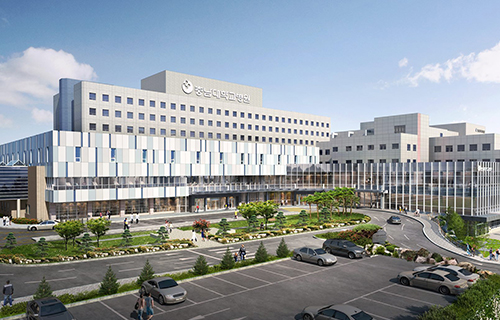
-
Chungnam National University Hospital
Location 282, Munhwa-ro, Jung-gu, Daejeon, Republic of Korea
Medical reception hours
Tel 042-280-6239, 8429
Homepage http://www.cnuh.co.kr
-
-
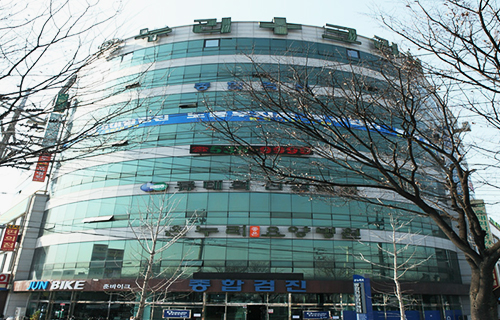
-
Onnuri Medical Checkup Center
Location 5&6floors, 1147, Dongseondae-ro, Seo-gu, Daejeon
Medical reception hours Weekdays from 08:30 to 17:30 (lunch from 13:00 to 14:00) Saturday from 08:30 to 14:30 (lunch from 13:00 to 14:00) 13:00 to 14:00) Saturday from 08:30 to 14:30 (lunch from 13:00 to 14:00)
Tel 042-538-1000
Homepage http://www.onnurihealth.co.kr
-
-

-
Oracle Dermatology Clinic
Location Oracle B/D, 182, Daedeok-daero, Seo-gu, Daejeon, Republic of Korea
Medical reception hours
Tel 042-488-8975
Homepage http://www.oracledj.com
-
-
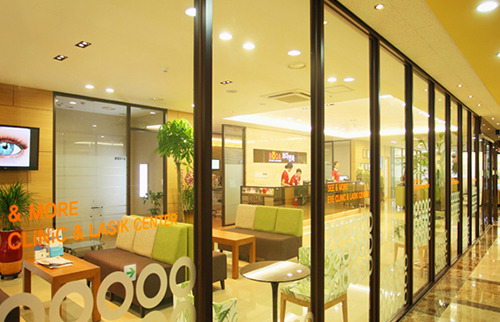
-
Boda Eye Clinic & Lasik Center
Location Fifth Floor, Dunsan Center Road 50, Seo-gu, Daejeon. Korea
Medical reception hours Weekday 09:00 – 19:30 (lunch break 12:30~02:00) Saturday 09:00 – 15:00 (no lunch break)
Tel 042-528-0079
Homepage http://www.bodaeye.com
-
-
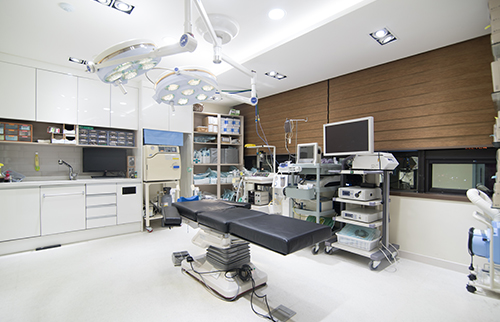
-
Face Plastic Surgery Center
Location 3F, Dunsan Mirae B/D, 203, Daedeok-daero, Seo-gu, Daejeon, Republic of Korea
Medical reception hours
Tel 042-484-2300
Homepage http://www.faceps.com
-
-
-
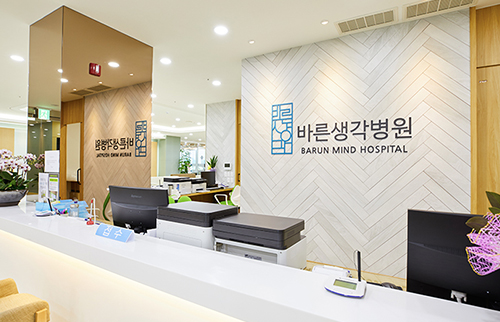
Barun Mind Hospital
Location 5-8F, Kalix B/D,128, Cheongsa-ro, Seo-gu, Daejeon, Republic of Korea
Medical reception hours
Tel 042-337-0001
Homepage http://www.barunmind.com
-
-

-
Phil Korean Medicine Clinic
Location 128, Cheongsa-ro, Seo-gu, Daejeon, Republic of Korea
Medical reception hours
Tel 042-336-1000
Homepage http://www.philhospital.com
-
-
-
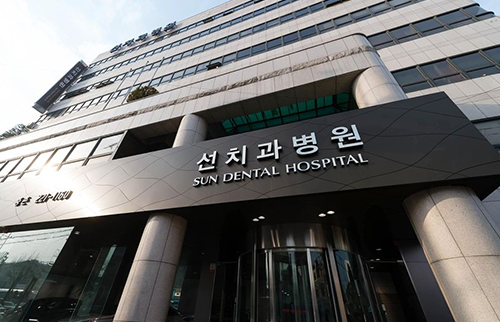
Sun Dental Hospital
Location 394-1 Jungchon-dong, Jung-gu, Daejeon, Korea
Medical reception hours Weekdays 09:30 - 18:00 Saturday at 9:30 - 16:30
Tel 042-251-5000
Homepage http://sundentalhospital.com/
-
Daejeon tourism information
Daejeon Tourism
Information
Information on festivals and shopping
Please note.
-
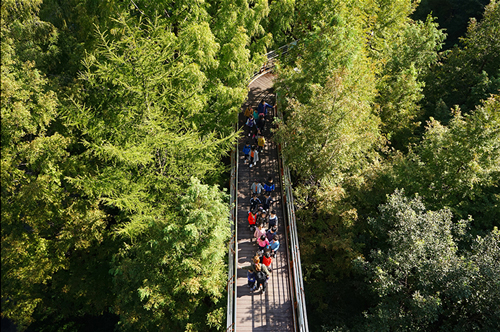
Jangtaesan Mountain Forest
It is in Jangan-dong, Seo-gu, Daejeon and is one of the 12 Attractions of Daejeon with its magnificent landscape. The only Metasequoia forest in Korea is formed here densely and with its exotic landscape, and it is famous as a resting forest for families to enjoy. Jangtaesan Mountain Forest is the first forest developed and run by a private fund in South Korea. It was taken over by Daejeon Metropolitan City in February of 2002 and remodeled and re-opened in April, 2006. View information -
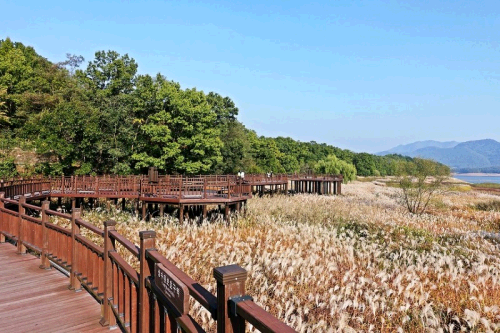
Daecheong Hoban Trail
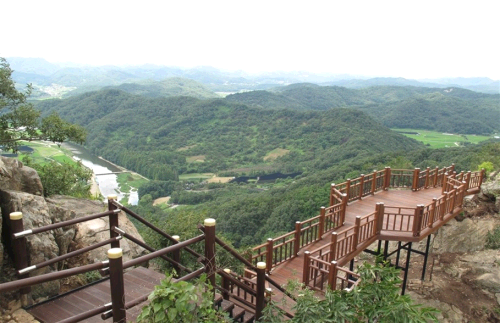
Daecheong Lake was developed in 1980 when the Daecheong Dam was completed and has been providing drinking water, living water and industrial water to Daejeon city and Cheongju City since then. It is known for its driving route with small mountains at an altitude of 200-300 meter and beautiful shrubs extending above the lake. It is home of migratory birds and resident birds, and in summer, white herons are easily seen at the upper part of the lake. At the observatory, the visitors can view a magnificent landscape. The Water Promotion hall opened in 1998 has a 3D image hall and an aquarium. There is a lawn square as well. Around Daecheong Lake, there are other tourist attractions such as Geumgang River Park, Gangge Tourist Attraction and Munyi Cultural Site, which makes it easier to coordinate. To get to Daecheong Lake, take Kyungbu Highway and enter the Shintanjin Interchange. At the Shintanjin 4-way crossing, take the road leading to the Daecheong Dam. It takes about 3 hours to drive around the lake. View information -
Gyejoksan Hwangtogil Trail
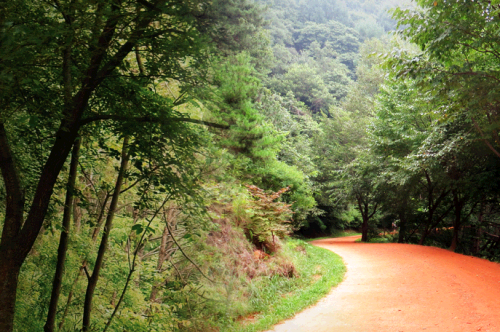
Gyejoksan Hwangtogil Trail is the only place in the world to experience such a healthy feeling from nature, and you cannot experience this anywhere else in Korea. It is a must-see place for travelers, along with Mt. Gyejoksan and Daecheong dam, when they visit Daejeon. While walking or running 14 km of the exciting Hawntogil Trail located at an altitude of 200 m to 300 m, you can find health in body and mind. In spring and fall, hikers from all over Korea gather to enjoy the landscape of Mt. Gyejoksan while hiking. Gyejoksan Hwantogil Trail was selected as ‘the must-see place in May’ by Korean Traveling Agency in 2009 and is the place where around 500 participating children from 100 other countries and James Michel, President of Seychelles, walked with bare feet and highly praised it during the UN Environment Children Assembly. As a ‘healthy forest’, Mt. Gyejoksan became famous, and the ‘Gyejoksan Hwangtogil Trail walking’ travelling product won the grand prize in the travel category of the ‘2nd G Market Local Government E-marketing Fair.’ In addition, every year the ‘Eco One Sunyang Masai Marathon’ is held here, which has over 5000 participants including about 600 foreigners from over 40 countries. This has become a major festival in Daejeon. View information -
Daejeon Dullesan-gil Trail
The mountains extend to surround Daejeon, and in between, the Geumnam Jeongmak (mountain range) meet and merge into Geumgang River. From the view from downtown, with the backdrop of the famous mountain of Geumnam Jung mak, Gyeryongsan Mountain in the west, the Geumsubong Peak and the Dodeokbong Peak connect across Sapjae to Gaphasan Mountain and Wusanbong Peak and extend into Geumbyungsan Mountain in the north. In the east, the ridge of Gyejoksan Mountain extends long and peaks at Sikjangsan Mountain, and in the south it embroiders Bomunsan Mountain and Gubongsan Mountain. It meets the ridges and trails of Bingyesan Mountain, Geumsubong Peak and Dodeokbong Peak. From Sep. 19th, 2004, ‘Connecting Dullesan-gil,’ which is guided hiking, encourages citizens to look around the mountains surrounding Daejeon by connecting many easily discoverable mountains of Daejeon. By hiking mountains surrounding Daejeon in connection, visitors can observe various views of the entire Daejeon city and can naturally realize how beautiful Daejeon is. Also, they can appreciate nature and admire Daejeon! Whenever and wherever you observe the surroundings, the mountains of Daejeon nicely approach the horizon. If we can feel joy by looking at the mountains, we can hold the mountains of Daejeon in our mind as they surround the city! To this end, Daejeon Dullesan-gil trail (133 km) course is divided into 12 parts and is included in a public transportation and trail map and a general information brochure to encourage the citizens to hike easily and comfortably. We hope that many citizens enjoy this so that beautiful mountains will once again return to our people’s minds. View information -
Dongchundang House
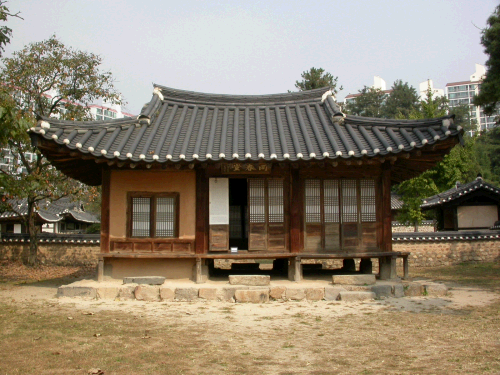
Dongchundang is where the first house built by the ‘Father of Dongchundang’, teacher Jun-gil Song, was moved. Dongchun means to ‘be like lively spring’, and the teacher read books and educated students and created Hyedeok Hyangak (Korean music). As nation-designated cultural property number 209, Dongchundang has a signboard that Wooam Si-yeol Song wrote. The structure is relatively simple and the size is not excessively large. The four sections on the right make up the main floor and the two sections on the left have an ondolbang (Korean heated floor). In front, it is covered with parquet floor boards, and at the bottom of the ondolbang, there are panelboards applied. For the foundation stone, tall squared cornerstone was used and this is a standard form of separate house architecture from the late Joseon dynasty. Behind Dongchundang, there is the old house of Song jun-gil. It is registered as tangible cultural asset number 3 of Daejeon Metropolitan City. The separate ‘Song ssi byul myo’ is a shrine keeping only an ancestral tablet of Jun-gil Song. View information -
Uineungjeongi Cultural Street
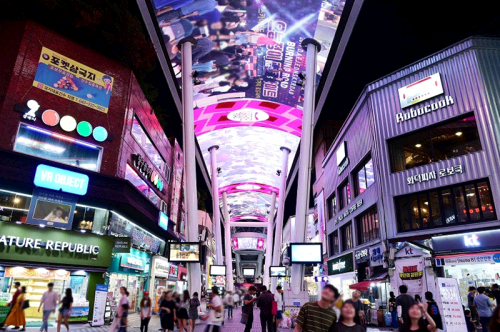
From the 1960s to 1980s, this was a mecca of administration, businesses, and traditional culture in the central region of South Korea. Now it is rising again as a street of Art & Culture. There are over 150 active businesses related to art and culture including art galleries, concert halls, small theaters, exhibition, performance facilities, art supply stores, ateliers, pottery studios, and antique stores. Various festivals including Uineungjeongi festival, Youth maim festival, and the Art and culture street festival take place. In addition, Sky Street that opened in 2013 was built with an arcade-type LED screen equipment with a length of 214 m, width of 13.3 m and height of 20 m. It is a famous tourist attraction in Daejeon and displays a range of content providing both entertainment and publicity using the main screen and media hub. View information

Daejeon Tourism Corporation [34630] 130-21, Junggyo-ro, Dong-gu, Daejeon (Won-dong)
TEL.042)250-1263 | FAX.042)250-1259